
Expanding Accountability: Connecting Federal Anti-Corruption Legislation to Constitutional Rights
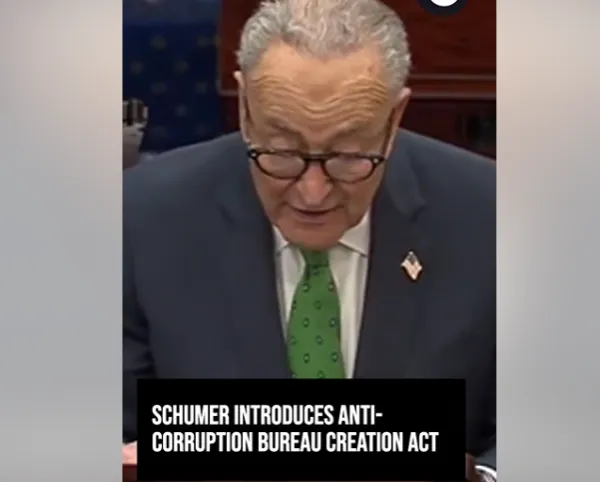
Photo from video by Off The Press
The introduction of the Anti-Corruption Bureau Creation Act marks a significant potential shift in how ordinary citizens can check governmental overreach. By empowering citizens and state attorneys general to sue federal officials—up to the President—to claw back funds obtained through corruption, this federal proposal opens a compelling dialogue about structural accountability.
When examining how initiatives like "Protecting Ohioans' Constitutional Rights" align with this federal framework, we see a shared underlying philosophy: the belief that immunity doctrines and bureaucratic red tape should never place public officials above the law. At its core, the movement to protect constitutional rights—whether on a state level regarding qualified immunity or on a federal level regarding executive corruption—asserts that rights are meaningless without a direct mechanism for enforcement and remedy.
Measures that create explicit private causes of action dismantle the wall of impunity that historically shields high-ranking actors from the consequences of their misconduct. Just as state-level accountability measures seek to ensure that local government actors cannot violate constitutional principles without recourse, the Anti-Corruption Bureau Creation Act applies this same logic to the highest echelons of federal power. Both approaches reflect a growing public demand for transparency, financial restitution, and legal mechanisms that treat public servants as accountable stewards rather than untouchable authorities.
Here in Ohio, we see the urgent necessity of this fight firsthand. We have been waiting since December 5th, 2025—over 240 days—for a decision in Brown v. Yost, our landmark federal lawsuit challenging Ohio's unconstitutional ballot initiative censorship. Former Ohio Attorney General Dave Yost’s arbitrary rejections of citizen-led initiatives like the "Protecting Ohioans' Constitutional Rights" and the "Ohio Wrongful Conviction and Justice Reform Amendment" have unlawfully silenced our core political speech and imposed an unconstitutional prior restraint on our communities.
We refuse to let state officials block the voices of the people. But we cannot do this alone—we need your help to restore due process and First Amendment protections. We need dedicated advocates to help us organize, spread awareness, and build momentum while we await Honorable Senior District Judge James L. Graham's ruling in the U.S. District Court for the Southern District of Ohio. As debates surrounding government accountability continue to evolve, bridging the gap between state-level protections and federal anti-corruption enforcement will be vital for restoring public trust.
We invite our community to join us in this fight: share our legal battle on social media, talk to your neighbors about the urgent need for initiative reform, and contact our team to find out how you can contribute your skills and energy.
Sincerely, Miss Cynthia Brown Founder, Heartbeat Movement Inc. Founder, Protecting Ohioans' Constitutional Rights Committee Chair, The Ohio Coalition for Police Accountability and Transparency